
2026 CSMTA Concerto Competition Winners’ Concert
Saturday, May 2, 2026
7:30 – 9:00 PM
Boulder Adventist Church
The Boulder Chamber Orchestra
Asieh Mahyar
conductor
Program
Wolfgang Amadeus Mozart (1756–1791)
Eine kleine Nachtmusik, K. 525 (1787)
I. Allegro
II. Romance
III. Menuetto
IV. Rondo
Joseph Haydn (1732–1809)
Piano Concerto in D Major, Hob. XVIII:11 (c. 1780)
III. Allegro assai
Kaden Wu - Piano
Winner, Elementary School Division
Wolfgang Amadeus Mozart (1756–1791)
Piano Concerto No. 23 in A Major, K. 488 (1786)
I. Allegro
Aiden Chan - Piano
Winner, Middle School Division
Frédéric Chopin (1810–1849)
Piano Concerto No. 1 in E minor, Op. 11 (1830)
I. Allegro maestoso
Raditya Muljadi - Piano
Winner, High School Division
ABOUT THE ARTIST
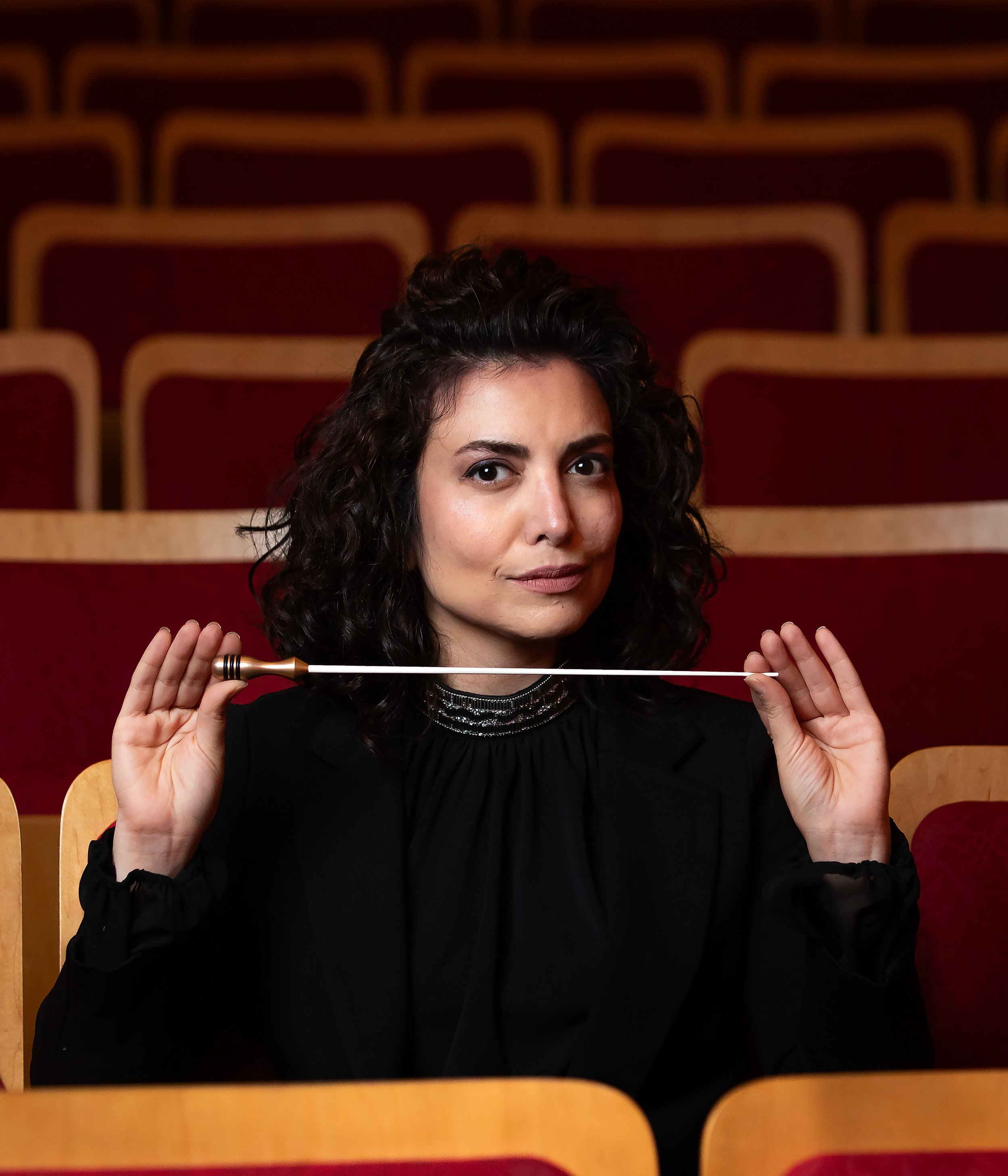
Asieh Mahayar
Conductor
Passionate about innovation and diversity in programming and performance, Asieh Mahyar is the Director of Orchestral Studies at the University of Texas at San Antonio (TX). She previously served as Director of Orchestras at Pacific Lutheran University (WA) and Assistant Conductor at the Tchaikovsky Music College of Yerevan, Armenia. Beyond academia, Mahyar serves as Assistant Conductor of the Boulder Chamber Orchestra (CO), and recently served as Assistant Conductor for the world premiere of the opera […]
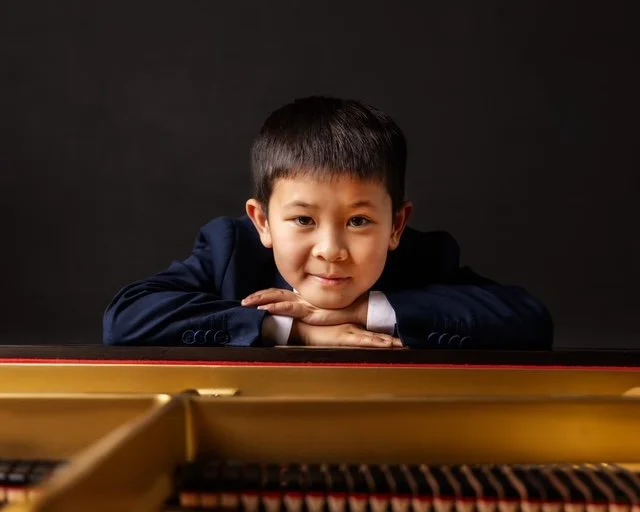
Kaden Wu
Piano
Kaden Wu, age 10, is a fifth-grade student at Challenge School, a Gifted and Talented (GT) program for advanced learners. He began studying piano at the age of five, inspired by his mother, a violinist, and has been under the guidance of Jasmine Steadman since 2021.
Kaden has earned top placements in a number of regional and international competitions. His recent achievements include First Place at the 2026 Colorado Peaks Piano Competition (Division 2) and First Place at the Rising Star Competition (2024). He has also received recognition in the Advanced Group of the Yamaha Piano Competition, earning Third Place in 2024 and Second Place in 2025, along with Second Place at the Carmel Klavier International Piano Competition and First Place at the Schmitt Music Competition.
In addition to piano, Kaden is an active competitive fencer. Fencing has helped him develop focus, discipline, and quick decision-making, which also influences his musical approach. Whether on stage or on the strip, he brings concentration, resilience, and strong control to his performance.
Kaden is also one of the youngest members of Musicians United for Change, a youth-led organization that presents benefit concerts supporting local communities.
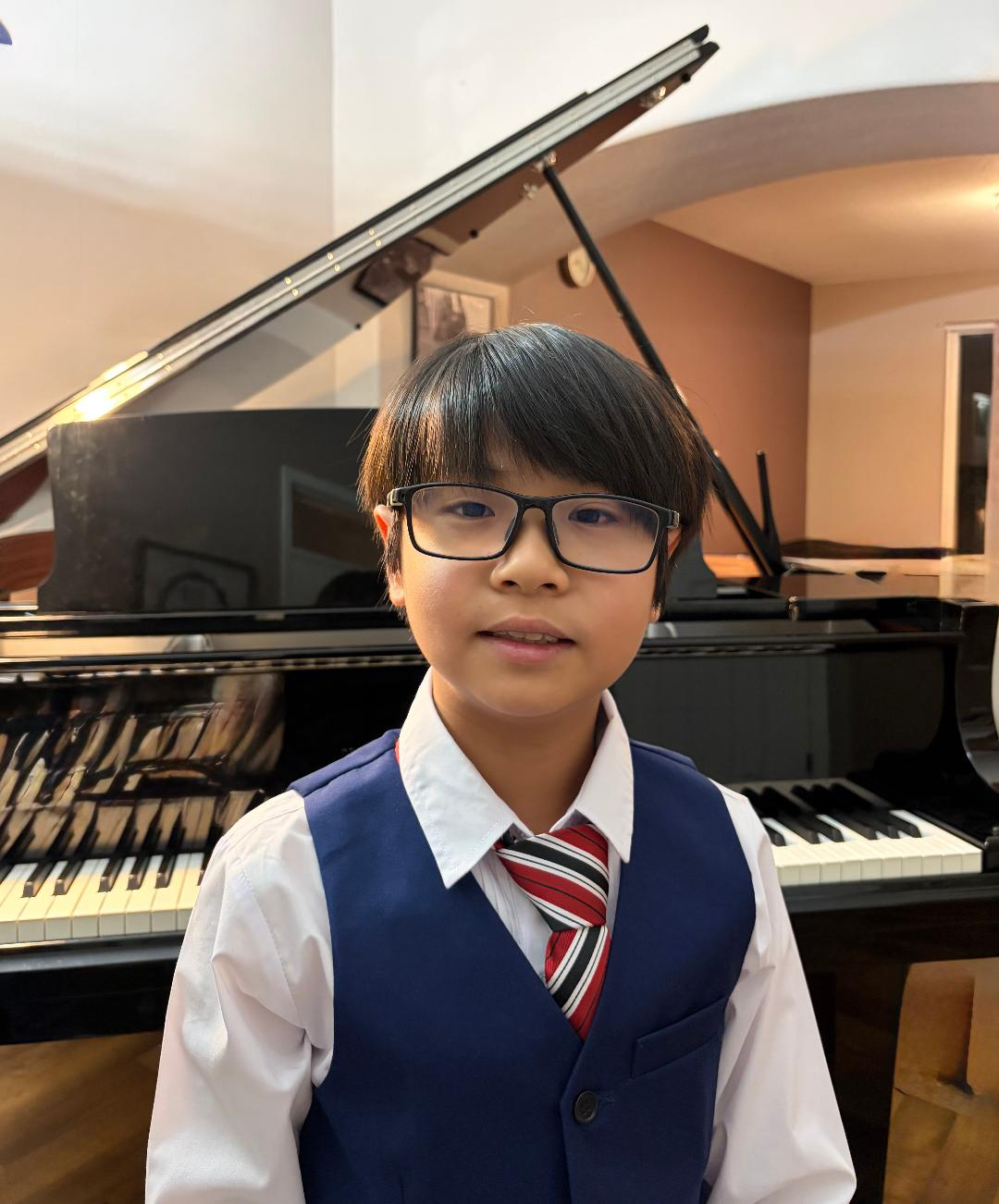
Aiden Chan
Piano
Aiden is an 11-year-old fifth-grade student at Hulstrom K–8. He has been studying piano with Ms. Crystal Lee since the age of seven and enjoys her engaging and lively teaching style. He also likes to participate in her performance class that happens once a month and enjoys sharing the achievements with other fellow students. Among his notable accomplishments are performances with the National Repertory Orchestra in Breckenridge and the Boulder Chamber Orchestra.
In his free time, Aiden enjoys reading, playing chess, and spending time with friends playing video games. As he continues his piano studies, he would like to continue to challenge himself in playing more classical piano pieces from Symphonies, Sonatas, and Concertos written by his favorite composers, Mozart, Beethoven, and Haydn. His goal is to develop stronger finger techniques and become more expressive and musical in his playing.
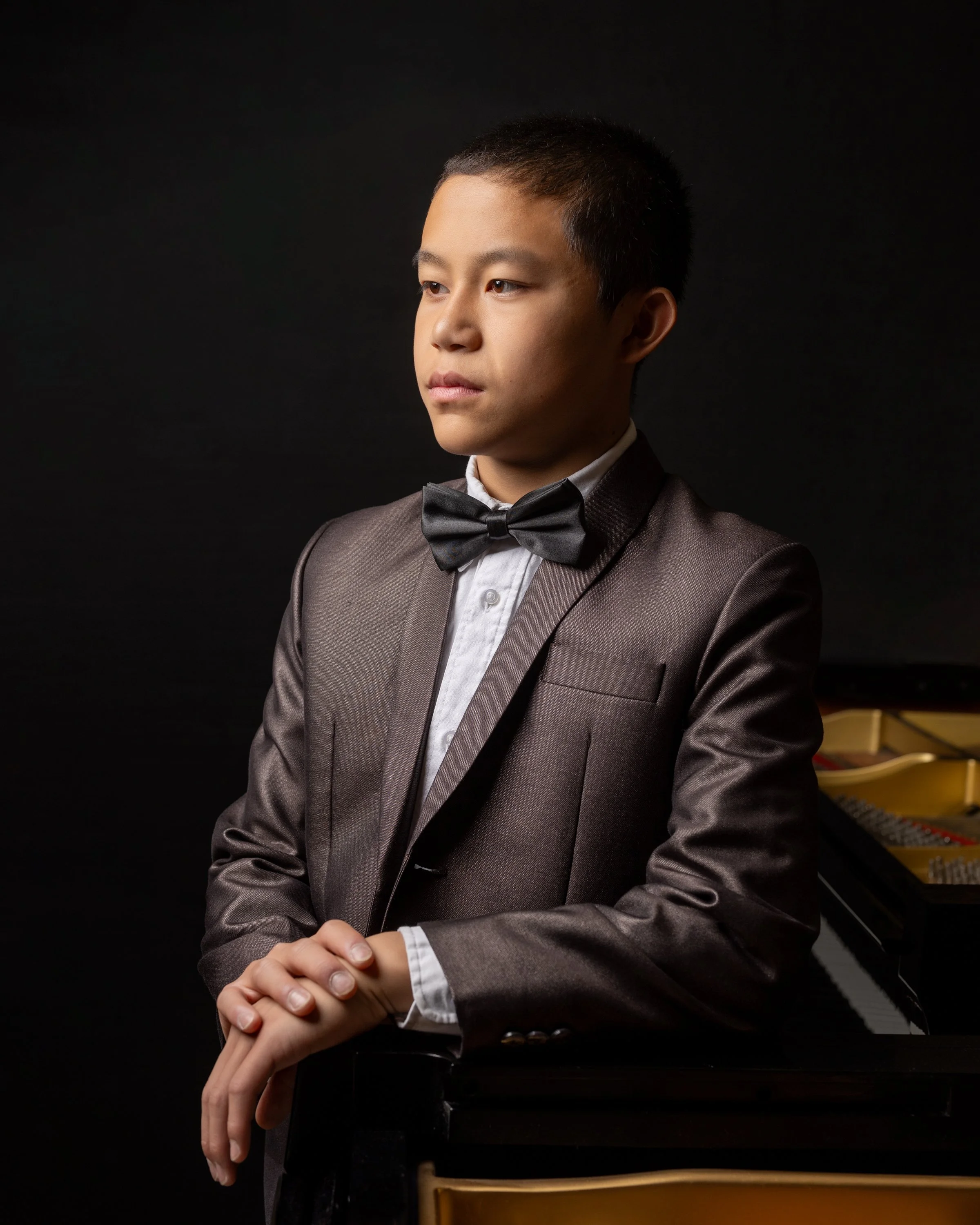
Raditya Muljandi
Piano
Raditya Muljadi (16) is 11th grader at the Chesterton Academy in Colorado and a student of Jasmine Steadman and Larry Graham.
Raditya has won many international piano competitions, including Cleveland International Piano Institute, International Keyboard Odyssiad, Chicago Music Competitions, Steinway, Carmel, Rubato, US International Duo Piano, The Seattle International, Liszt Competition, J. Earl Lee, and Colorado State Music Teacher Association Concerto Competitions. He was a semi-finalist of Singapore and Kaufman Competitions, and the Bossendorfer/Yamaha International Piano Competition in Arizona, where he received a Jury Discretionary Award for Outstanding Talent. He represented Colorado numerous times to compete in MTNA Central West division.
At 9, Raditya gave first solo recital in Indonesia, and has been featured multiple times as soloist with National Repertory Orchestra and the Broomfield Symphony Orchestra in Colorado, where he recently performed the Tchaikovsky Concerto no. 1. Raditya has also performed at the Red Rocks Park & Amphitheater and Carnegie Hall with Lang Lang International Music Foundation as its scholar, in Beijing and the Great Wall where he was appointed Cultural Ambassador of the Great Wall. He recently participated in Aspen Music Festival under tutelage of Dr. Yoheved Kaplinsky and the Gina Bachauer Student Festival.
He received Organ scholarship from the American Guild of Organist (Denver Rocky Mountain Chapter, and also from the Chopin Foundation of America and Young Arts in Florida. Raditya is currently a board member of The Musicians United for Change organization.
Raditya’s music journey has been featured by FOX31 Denver, CBS Evening, Rocky Mountain PBS, Denver7, and CBS4 Denver News.
Raditya also holds a third-degree Tae Kwon Do black belt, loves teaching math at Mathnasium, and plays chess. When not slow practicing, you can find Raditya volunteering at the Denver Museum of Nature and Science or senior centers, or playing football with his neighbors.
PROGRAM NOTES
Wolfgang Amadeus Mozart (1756–1791)
Eine kleine Nachtmusik, K. 525 (1787)
Few pieces are as immediately recognizable as this serenade, yet its familiarity can obscure just how carefully it is constructed. Written in 1787, it likely served a social function, meant for evening performance in a more informal setting. Even so, Mozart approaches it with the same attention to proportion and balance found in his larger works.
Each movement presents a distinct character without breaking the overall sense of unity. The opening is direct and confident, built from a gesture that feels almost architectural in its symmetry. The Romance shifts into a more reflective space, where the music seems to linger on its ideas rather than move quickly past them. The minuet brings a grounded, dance-like quality, and the final Rondo restores energy with a sense of inevitability. What makes the piece endure is not just its charm, but the way every detail feels inevitable, as though it could not have been written any other way.
Joseph Haydn (1732–1809)
Piano Concerto in D Major, Hob. XVIII:11 (c. 1780)
By the time Haydn wrote this concerto, he had already spent decades shaping what we now recognize as the Classical style. His music often feels effortless, but that sense of ease is carefully constructed. In this concerto, everything is built on clarity. Themes are introduced cleanly, developed with restraint, and returned to with satisfying balance. There is no excess, yet nothing feels missing.
The final movement, Allegro assai, offers a different kind of brilliance. Instead of grand gestures, Haydn leans into momentum and wit. The piano seems to think aloud, tossing out ideas that the ensemble responds to in quick succession. There is a sense of humor in the timing, in the unexpected turns, and in the lightness of touch required from the performer. It is music that rewards close listening, not through complexity, but through precision and character.
Wolfgang Amadeus Mozart (1756–1791)
Piano Concerto No. 23 in A Major, K. 488 (1786)
Mozart wrote this concerto in Vienna at a moment when he was redefining what a piano concerto could be. Rather than treating the orchestra as accompaniment, he allows it to share in shaping the music’s emotional world. The result is something more conversational than display-driven, where ideas emerge, overlap, and transform in real time.
The first movement unfolds with remarkable patience. Its themes do not rush to impress, but instead settle into the ear, gaining meaning through repetition and variation. When the piano enters, it does not interrupt so much as continue the thought, offering a new perspective on what has already been heard. The effect is subtle but powerful. The music feels alive, as though it is being discovered in the moment rather than presented fully formed.
Frédéric Chopin (1810–1849)
Piano Concerto No. 1 in E minor, Op. 11 (1830)
Although this work is known as Chopin’s First Piano Concerto, it was actually composed after his concerto in F minor. It was published first, which is why it carries the lower number. Both works belong to the same period of Chopin’s life, just before he left Poland, and they reflect a young composer absorbing the styles around him while beginning to shape his own voice.
One important influence was Johann Nepomuk Hummel, whose Piano Concerto in A minor was widely admired at the time. Chopin heard Hummel perform when he was still a student, and traces of that brilliance can be heard here, especially in the clarity of passagework and the elegant shaping of phrases. At the same time, Chopin moves beyond that model. Once the piano enters in the Allegro maestoso, the music becomes more personal, more inward. Virtuosity is present, but it serves expression rather than display. The concerto becomes less about competition between soloist and orchestra and more about a single voice unfolding over time.
Program Notes by Reginald Winters