
Masterpiece Finalé
Triple Delight
Sunday, May 9, 2027
7:30 – 9:30 PM
Boulder Adventist Church
Bahman Saless
Music Director
with
Igor Pikayzen - Violin
Meta Weiss - Cello
Andrew Cooperstock - Piano
Program
Ludwig van Beethoven (1770–1827)
Overture
Ludwig van Beethoven (1770–1827)
Triple Concerto in C Major, Op. 56 (1804)
I. Allegro
II. Largo
III. Rondo alla polacca
Igor Pikayzen - Violin
Meta Weiss - Cello
Andrew Cooperstock - Piano
Antonín Dvořák (1841–1904)
Symphony No. 8 in G Major, Op. 88 (1889)
I. Allegro con brio
II. Adagio
III. Allegretto grazioso
IV. Allegro ma non troppo
About the Artists
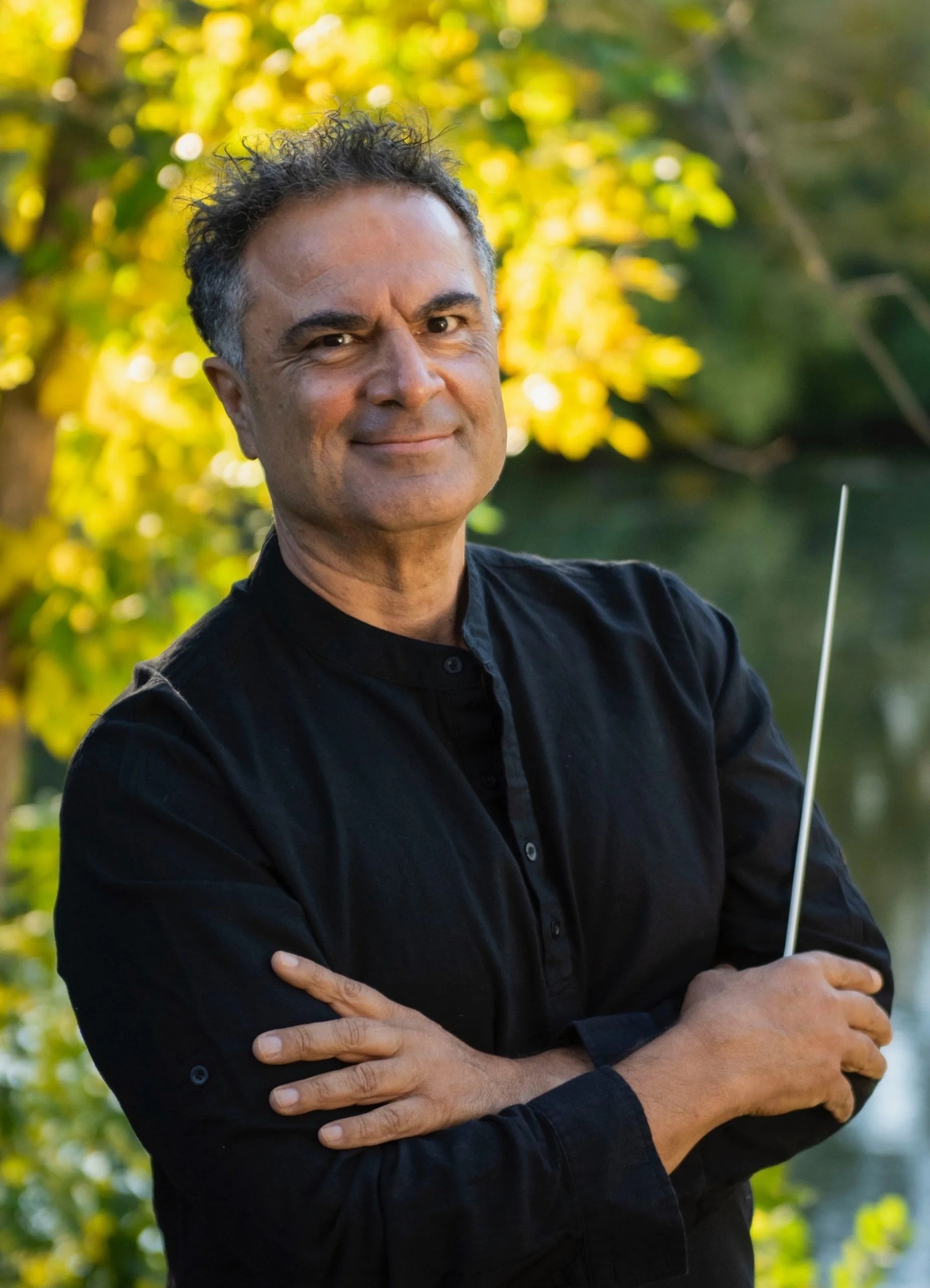
Bahman Saless
Music Director
A conductor for the 21st century, Bahman Saless has been described as “entrepreneurial, creative, and plugged in,” and “an innately talented musician and conductor, without frills or ego.” His passion is palpable, his enthusiasm contagious, and the results he draws from musicians are, as one colleague put it, “extraordinary.” Saless’s musical path is anything but conventional. After studying violin in England as a teenager and composing music from a young age, he pursued violin studies with Lyman Bodman at Michigan State University while […]
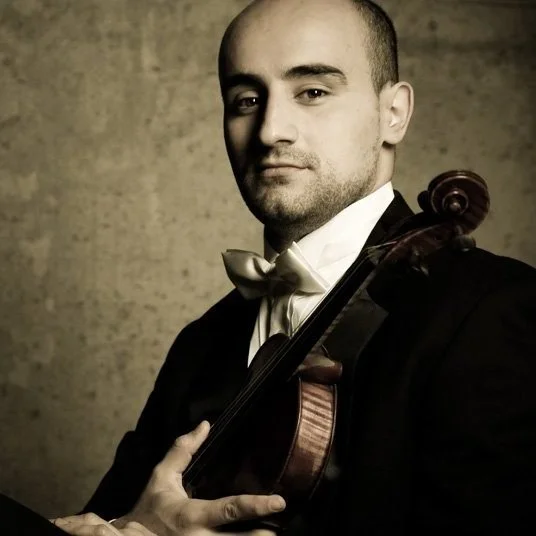
Igor Pikayzen
Violin
Award-winning Russian-American violinist Igor Pikayzen is confidently establishing himself as one of the most prodigious and in-demand soloists of his generation. Praised on four continents by critics and audiences alike for his “astounding technical ability and a majestically lush tone...the stylish Igor Pikayzen” (Strad) is “surely at the forefront of a major musical career” (Moscow Times). 2024-25 saw the release of Igor Pikayzen’s recording of works by Glazunov and Tchaikovsky with the London Philharmonic Orchestra for Warner Music, as well as a CD of violin-piano […]
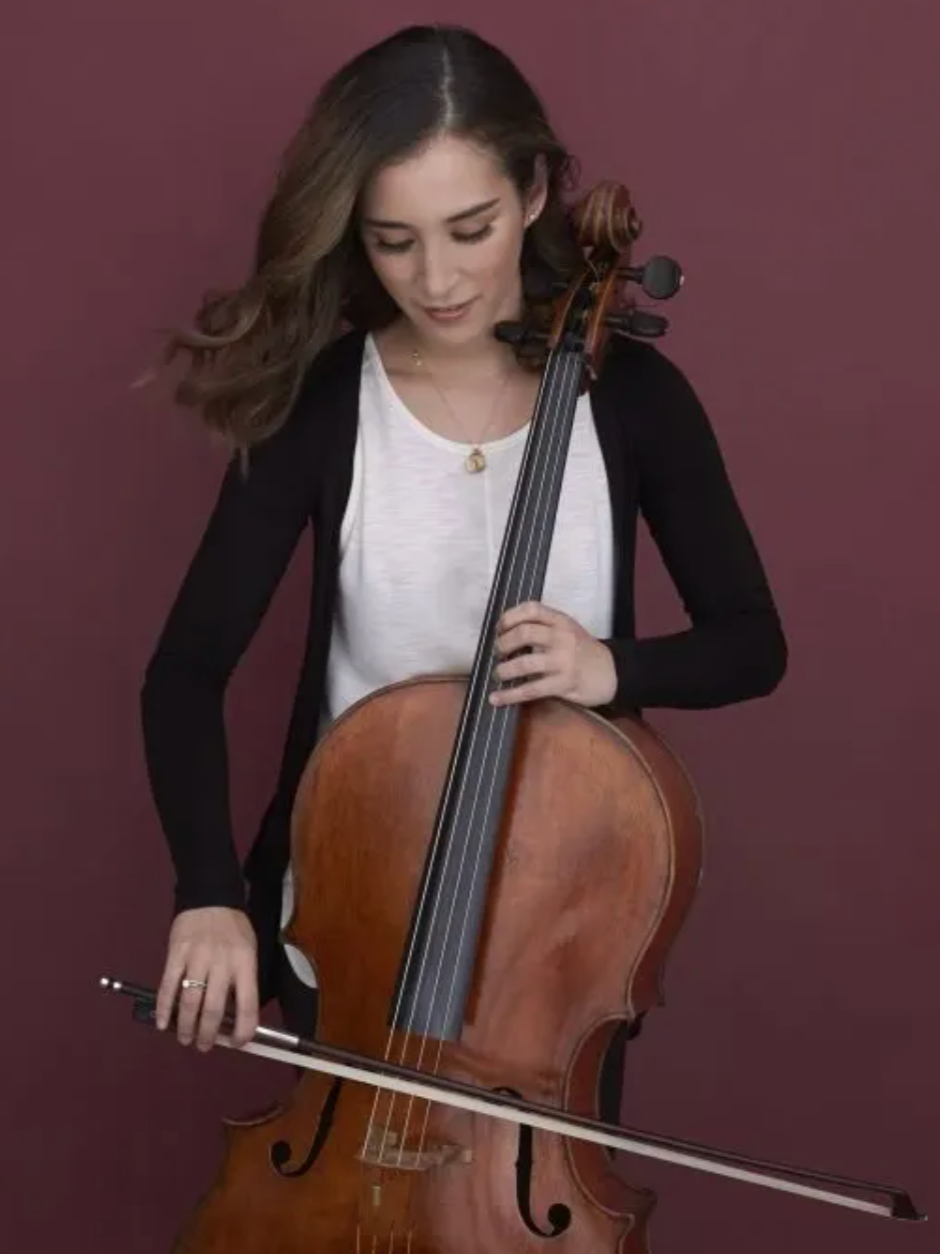
Meta Weiss
Cello
American cellist Meta Weiss (pronounced MAY-ta) made her international debut at the age of seven in Utrecht, Holland, and has established herself as one of the leading artists of her generation. An acclaimed soloist and chamber musician, her performances have taken her to venues throughout the US and internationally. Top prize-winner in numerous competitions, she has been hailed as “magnetic” (ArtsJournal) and “luminous” (Sydney Arts Guide) by critics and audiences around the globe. As a member of Break of Reality, she was selected by the US Department of State as a […]
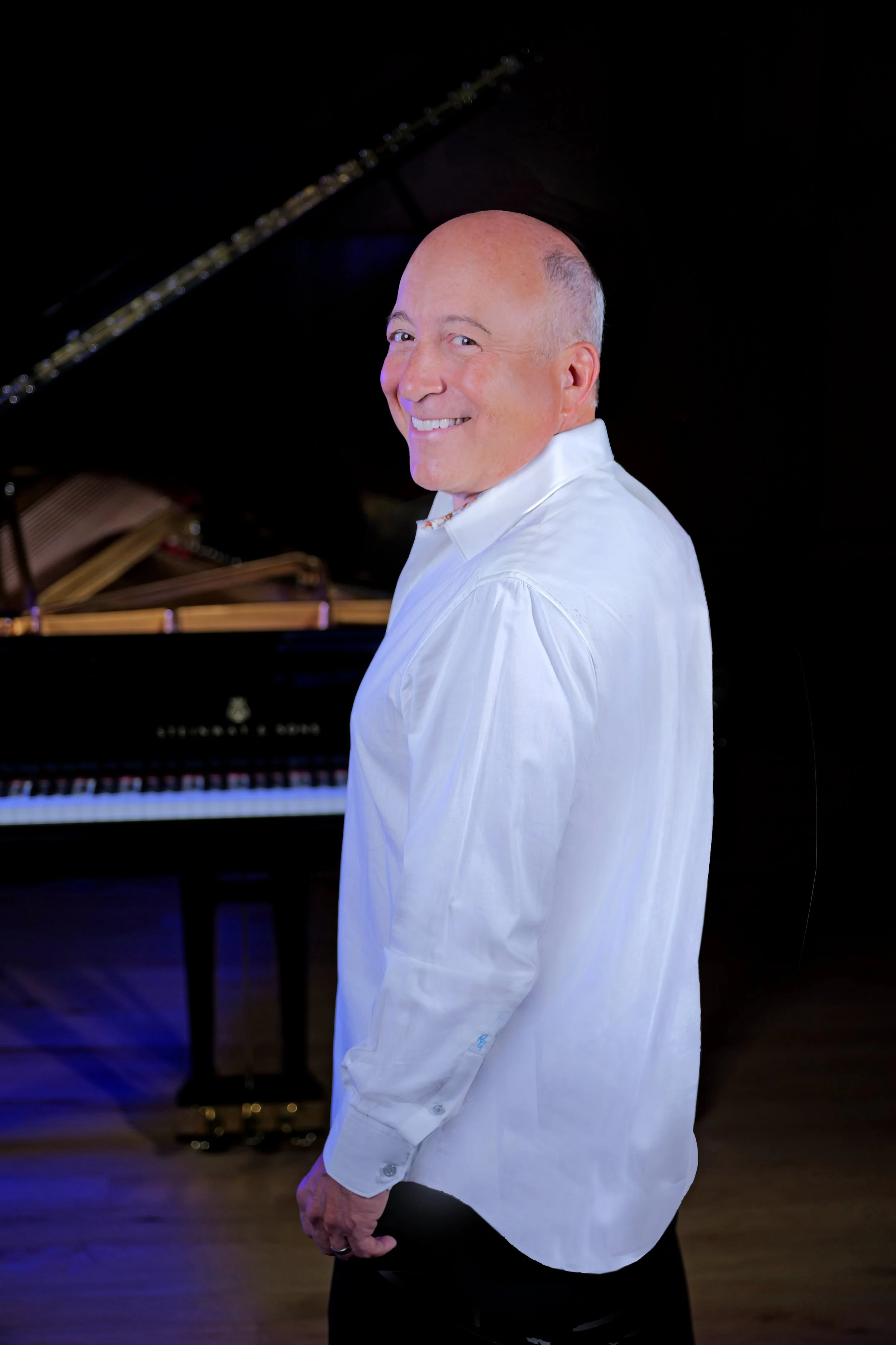
Andrew Cooperstock
Piano
Pianist Andrew Cooperstock performs widely as a soloist and chamber musician and has appeared on six continents and in most of the 50 states, including performances at New York’s Carnegie Hall, Lincoln Center and the United Nations. He has been featured in recitals and concerto appearances at the Chautauqua, Brevard and Round Top music festivals, the Australian Festival of Chamber Music and Hong Kong’s Hell Hot! New Music Festival; in such international locales as London, Paris, Geneva, Beijing, Seoul, Accra, Kiev, Vladivostok, Canberra, Quito and Lima; and on […]
Program Notes
Ludwig van Beethoven (1770–1827)
Overture
Coming Soon.
Ludwig van Beethoven (1770–1827)
Triple Concerto in C Major, Op. 56 (1804)
Beethoven’s Triple Concerto occupies a singular place in the repertory. It brings together violin, cello, and piano—the familiar ensemble of the piano trio—but places those three musicians before an orchestra. The result is neither a conventional concerto with three competing soloists nor chamber music enlarged by orchestral accompaniment. Instead, Beethoven creates a shifting conversation in which intimacy and public grandeur continually meet.
Completed in 1804 and dedicated to Prince Joseph Franz Maximilian Lobkowitz, the concerto emerged during the same period as the “Eroica” Symphony. Yet where the symphony is charged with confrontation, the Triple Concerto often favors generosity, elegance, and cooperation. Its virtuosity lies not only in brilliance, but in the ability of three distinctive instrumental voices to breathe, answer, and move as one. The work received private performances at Lobkowitz’s palace in the spring of 1804, though its first known public performance likely did not occur until 1808.
The first movement begins unusually quietly. Cellos and basses introduce the principal theme before the orchestra gradually expands its scale. When the soloists enter, the cello speaks first, high in its register, followed by the violin and then the piano. This order establishes a pattern heard throughout the concerto: ideas often begin as individual statements and grow into shared declarations.
The cello’s prominent role is one of the work’s defining features. Because its sound can be more easily covered by violin, piano, and orchestra, Beethoven frequently allows it to introduce important themes before the other instruments join. The piano writing, although brilliant, is often transparent enough to preserve the equality of the trio. What matters is not conquest, but exchange. A phrase moves from cello to violin, gathers energy at the piano, and returns to the orchestra enlarged.
The brief Largo enters a distant and luminous A-flat Major. The cello again begins, offering a melody of extraordinary calm before violin and piano complete the intimate scene. Beethoven does not allow the movement to reach a conventional close. Instead, the piano quietly prepares the transition into the finale.
The concluding Rondo alla polacca draws upon the stately rhythms of the polonaise. Its recurring theme has both ceremonial bearing and rhythmic buoyancy, inviting the three soloists into increasingly animated exchanges. Violin and cello often move together like singers in duet, while the piano supplies sparkle, momentum, and playful interruption.
In its final pages, the concerto accelerates from aristocratic dance into exhilarating motion. Yet even here, Beethoven preserves the work’s central ideal: three soloists do not diminish one another by sharing the spotlight. Their individual voices become more vivid through collaboration.
Antonín Dvořák (1841–1904)
Symphony No. 8 in G Major, Op. 88 (1889)
Dvořák composed his Eighth Symphony between August and November 1889, largely at his country home in Vysoká, where the landscape and rhythms of rural life offered him a welcome refuge from Prague. The work reflects the composer’s delight in natural beauty, but it is not simply pastoral. Sunlit melodies coexist with sudden shadows, birdsong with solemn processions, and rustic dance with passages of imposing symphonic power.
Dvořák approached the symphony with a desire to treat his ideas differently from the customary procedures of the form. Rather than developing a few themes through continuous argument, he allows melodies and instrumental colors to unfold in abundant succession. The music can resemble a landscape crossed on foot: each turn reveals a new prospect, yet the journey retains an unmistakable direction.
The first movement begins not in the home key of G Major, but with a solemn G Minor melody in the cellos. This reflective introduction returns at important structural moments, acting almost as a gateway into the movement’s changing worlds. A flute then announces the principal Allegro with a bright, birdlike call, and the orchestra comes alive. Lyrical themes, horn calls, surging strings, and moments of unexpected drama follow one another with remarkable freedom.
The Adagio is among Dvořák’s most varied slow movements. Its opening has the stillness of a quiet morning, but serenity proves temporary. Woodwind conversations, broad string melodies, and more turbulent episodes continually alter the atmosphere. At times the music seems to contemplate nature; at others, it enters something closer to human drama. Dvořák’s transitions are so natural that these changes feel less like interruptions than shifts in light.
In place of a conventional scherzo, the third movement offers a graceful, melancholy waltz. Its melody circles with elegance, but a note of longing remains beneath the dance. The contrasting middle section draws upon music Dvořák had written years earlier for his comic opera The Stubborn Lovers. After the waltz returns, the coda suddenly quickens, transforming wistfulness into a spirited Czech dance.
A brilliant trumpet fanfare opens the finale. The cellos answer with a broad theme that becomes the subject of a series of variations. Some are gentle and songful; others become martial, rustic, or fiercely energetic. Rather than presenting variations as separate episodes, Dvořák allows them to generate an increasingly expansive symphonic drama.
The movement briefly withdraws into quieter reflection before the full orchestra reawakens. Brass fanfares blaze above rushing strings, and the symphony concludes with exuberance that feels communal rather than merely triumphant.
Dvořák’s Eighth is often celebrated for its warmth and melodic generosity, but its deepest pleasure lies in the way wonder and seriousness coexist. The natural world is not presented as an escape from human feeling. It becomes the setting in which joy, memory, uncertainty, and gratitude can all be heard.
Program Notes by Reginald Winters